30+ Years of Luxury Chauffeur Limousine Transportation Excellence Across South Florida

TSA Liquid Rules: What South Florida Travelers Need to Know

Airport Transportation · 7 min read

Security checkpoint stress often starts at home — staring at your suitcase, wondering which toiletries will make it through TSA and which will end up in the bin. For travelers flying out of Fort Lauderdale-Hollywood International (FLL), Miami International (MIA), or Palm Beach International (PBI), understanding TSA’s liquid rules before you pack can save time, money, and frustration.

The good news? The rules haven’t changed much since 2006, and once you know them, packing becomes second nature. Whether you’re headed to the cruise terminal after landing or catching a connecting flight, this guide covers everything South Florida travelers need to know about bringing liquids through airport security.

And when it’s time to get to the airport, professional airport transportation ensures you arrive relaxed and on schedule — so you can focus on the journey ahead, not the drive.

The 3-1-1 Rule Explained

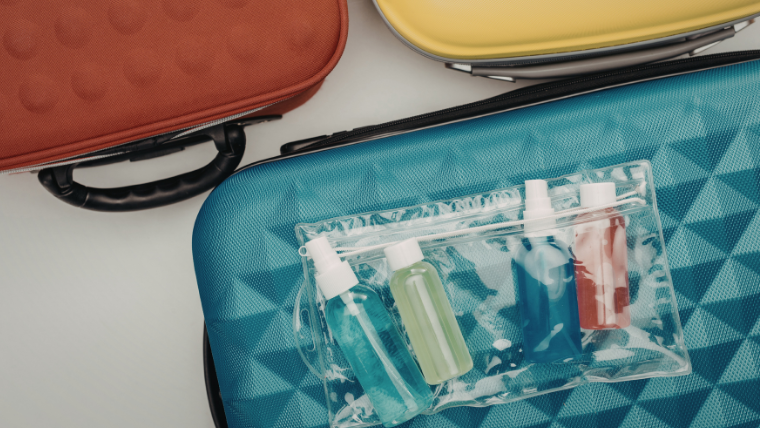
Travel size toiletries in a clear quart-sized TSA bag on top of a teal suitcase

TSA’s liquid rule is simple once you break it down. The “3-1-1” refers to three key limits that apply to all carry-on luggage.

The first “3” stands for 3.4 ounces (100 milliliters) — the maximum size for any single container of liquid, gel, aerosol, cream, or paste in your carry-on. This applies to the container size, not how much product is inside. A half-empty 6-ounce bottle still won’t clear security.

The “1” refers to one quart-sized, clear plastic bag. All your travel-size containers must fit inside a single bag that’s approximately 7 inches by 8 inches. Standard sandwich bags work perfectly, or you can purchase reusable TSA-approved bags.

The final “1” means one bag per passenger. Each traveler going through security can bring exactly one quart bag of liquids in their carry-on.

These rules were established in 2006 following a foiled terrorist plot involving liquid explosives. The 100ml limit aligns with international standards set by the International Civil Aviation Organization, making these rules consistent whether you’re flying domestically or internationally.

TSA PreCheck members still need to follow the 3-1-1 rule, but the expedited screening process means less time in line and no need to remove your liquids bag from your carry-on.

What Counts as a Liquid?

TSA’s definition of “liquid” extends beyond what you might expect. Here are six categories that frequently surprise travelers:

1. Toothpaste

Despite its paste-like consistency, toothpaste counts as a liquid under TSA rules. Standard tubes are usually 4-6 ounces — too large for carry-on. Travel-size tubes (typically 3.4 oz or smaller) are widely available and fit easily in your quart bag.

2. Mascara and Liquid Makeup

Foundation, concealer, liquid lipstick, and mascara all count toward your liquid allowance. Solid makeup like powder compacts, lipstick bullets, and eyeshadow palettes don’t count and can stay in your regular carry-on.

3. Sunscreen

Whether it’s lotion, spray, or gel formulation, sunscreen is classified as a liquid. This is particularly relevant for South Florida travelers heading to beach destinations. Pack travel sizes or plan to buy sunscreen at your destination.

4. Peanut Butter and Hummus

Spreadable foods fall under TSA’s liquid rules. That jar of peanut butter or container of hummus you packed for the flight? It needs to be 3.4 ounces or less, or it goes in checked luggage. Solid foods like sandwiches and fruit pass through without issue.

5. Aerosol Deodorant and Hair Spray

Aerosols in your carry-on must follow the 3-1-1 rule. Stick deodorant, however, is solid and doesn’t count toward your liquid limit — a useful distinction for frequent travelers.

6. Gel Ice Packs

Partially frozen or liquid gel ice packs are subject to the 3-1-1 rule. The exception: ice packs that are completely frozen solid at the checkpoint may be allowed through, though TSA officers have final discretion.

Start Your Trip Stress-Free

The easiest way to breeze through TSA? Arrive at the airport relaxed and on time. Larry’s Private Car & Limousine handles the drive so you can focus on packing.

Exceptions to the 3-1-1 Rule

While the 3-1-1 rule applies to most travelers, TSA makes exceptions for medical needs and family travel. Here are four categories exempt from standard liquid limits:

Prescription Medications and Medical Liquids

Liquid medications, including saline solution, eye drops, and prescription liquids, are permitted in reasonable quantities exceeding 3.4 ounces. Keep medications in original packaging when possible and declare them to TSA officers at the checkpoint. You may be asked to undergo additional screening.

Baby Formula, Breast Milk, and Toddler Drinks

Parents traveling with infants and toddlers can bring formula, breast milk, and juice in quantities greater than 3.4 ounces. These items don’t need to fit in your quart bag. Inform the TSA officer at the beginning of screening, and be prepared for the containers to be inspected separately.

Completely Frozen Liquids

Items that are frozen solid at the time of screening are generally permitted through the checkpoint. If the item is partially melted, slushy, or has liquid at the bottom, standard liquid rules apply. This exception is useful for travelers bringing frozen food or using frozen gel packs to keep items cold.

Duty-Free Purchases

Liquids purchased from duty-free shops after the security checkpoint can exceed 3.4 ounces if they’re sealed in a tamper-evident bag with the receipt visible. For connecting flights, keep these items sealed — if you need to re-clear security, unsealed duty-free liquids will be confiscated.
Packing Tips for FLL, MIA, and PBI Travelers

South Florida airports see millions of travelers annually, many heading to cruise ports, international destinations, or vacation spots. Here are six packing strategies to streamline your security experience:

1. Build a Permanent TSA Kit

Keep a dedicated toiletry bag stocked with travel-size essentials: toothpaste, deodorant, shampoo, conditioner, and any daily products you use. When it’s time to travel, grab the bag and go — no last-minute transfers or forgotten items.

2. Know Your Airport’s Peak Times

FLL sees heavy cruise traffic on Saturdays and Sundays, with security lines peaking mid-morning. MIA’s international terminals experience rushes during early morning and late afternoon departure banks. PBI, while smaller, gets congested during winter season when snowbirds arrive. Plan your arrival accordingly.

3. Consider TSA PreCheck or Global Entry

For frequent South Florida travelers, TSA PreCheck ($78 for five years) or Global Entry ($100 for five years) significantly reduces screening time. PreCheck lanes don’t require removing liquids from your bag, making the process faster even when following the same rules.

4. Pack Medications in an Accessible Spot

If you’re carrying liquid medications that exceed 3.4 ounces, pack them at the top of your carry-on or in an outside pocket. You’ll need to present them separately, and fumbling through a packed bag slows down the line for everyone.

5. Use Checked Bags for Full-Size Toiletries

Traveling for an extended trip? Pack full-size shampoo, conditioner, and toiletries in checked luggage. There are no liquid restrictions for checked bags, and you’ll free up carry-on space for items you actually need during the flight.

6. Arrive Relaxed with Professional Transportation

The best packing job means nothing if you’re rushing to catch your flight. Reliable airport transportation services ensure you arrive at FLL, MIA, or PBI with time to spare — so a long security line becomes a minor inconvenience rather than a missed flight.

Frequently Asked Questions About TSA Liquid Rules

Here are answers to common questions travelers ask about bringing liquids through airport security:

How many ounces can you take on a plane in your carry-on?

Each container of liquid, gel, aerosol, cream, or paste must be 3.4 ounces (100 milliliters) or less. All containers must fit in a single quart-sized clear plastic bag. There’s no limit to the number of containers — as long as they’re 3.4 ounces or smaller and fit in one quart bag, you’re good to go.

No, the 3-1-1 rule applies only to carry-on luggage. You can pack full-size toiletries, bottles of wine, and other liquids in checked baggage without restriction. Just ensure bottles are sealed properly to prevent leaks.

Empty water bottles are permitted through security — fill them at a water fountain or bottle filling station after you clear the checkpoint. Full or partially filled bottles will be confiscated or require you to empty them before proceeding.

TSA officers will ask you to dispose of the item or return to the check-in counter to place it in checked luggage. The rule applies to container size, not contents — a half-empty 6-ounce bottle will still be flagged. When in doubt, pack larger containers in checked bags.

Both work well. Travel-size toiletries offer convenience and proper labeling, while refillable bottles reduce waste and let you bring your preferred products. If using refillable bottles, ensure they’re clearly labeled and marked as 3.4 ounces or less to avoid confusion at security.

Ready for Stress-Free Airport Travel?

Whether you’re flying out of FLL, MIA, or PBI, Larry’s Private Car & Limousine makes getting to the airport the easiest part of your trip. Professional chauffeurs, flight tracking, and 30+ years of South Florida transportation experience mean you arrive relaxed and ready.